Technical consulting
Translate operational needs into requirements, assess existing systems and define an achievable technical approach.
Outputs: requirements, architecture options, integration assessments and a delivery plan.
Technical Consulting, Implementation & Technology Sourcing
Turn an operational requirement into a working improvement. JourneyRx helps simplify the workflow, choose suitable technology and deliver tested changes across software, data, reporting and automation.
Adam connects the operational question with the technical work: what needs to change, how it fits your existing systems and how your team will know it works.
Start with an existing brief or a technical decision you need to make. We can also build on findings from a JourneyRx Diagnostic.
Translate operational needs into requirements, assess existing systems and define an achievable technical approach.
Outputs: requirements, architecture options, integration assessments and a delivery plan.
Build and connect data pipelines, business applications, reporting and automation. Apply AI where it serves a defined need and can operate within appropriate access controls.
Outputs: tested software or integrations, operational analytics, documentation and handover.
Compare building, adapting and buying. Evaluate software and vendors against your requirements, integration needs and operating constraints.
Outputs: an options assessment, evaluation criteria, a recommendation and implementation coordination.
Define the data needed for a decision, connect relevant sources and make the result accessible through useful reporting.
Examine the workflow, automate repeatable steps and make exceptions visible to the people responsible.
Compare options against real tasks, test integration assumptions and plan adoption and handover.
These are illustrative examples. The scope follows your requirements and the evidence available.
Relevant experience
Selected experience from Adam’s work in maintenance analytics, field quality and global data operations. Read the business question, the approach and what the evidence supports.
Maintenance analytics
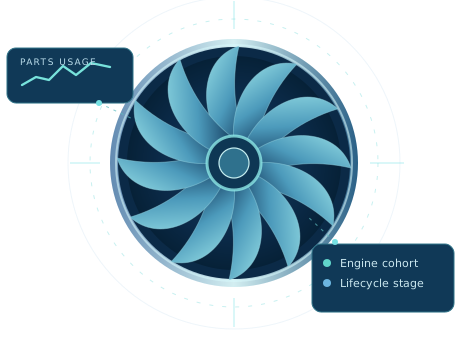
Investigating unexpected parts usage to support maintenance decisions and lifecycle cost forecasting.
Read the study: MRO anomalies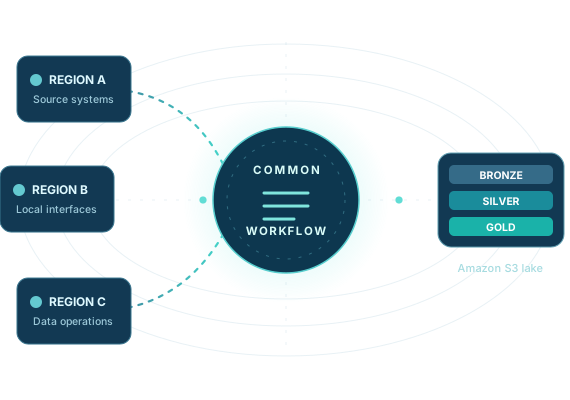
Data operations
Making fragmented data operations more repeatable through standard workflows, automation and useful process measures.
Read the study: Global data operations transformation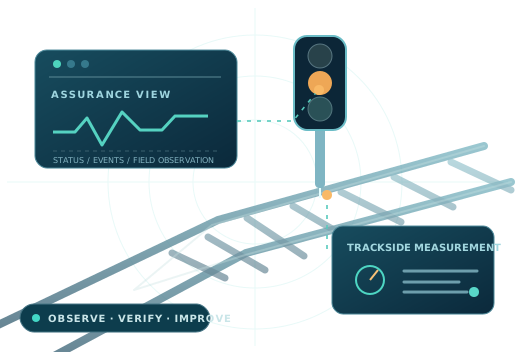
Field quality assurance
Tracing recurring field quality issues to installation, calibration and guidance improvements.
Read the study: Railway QA site audits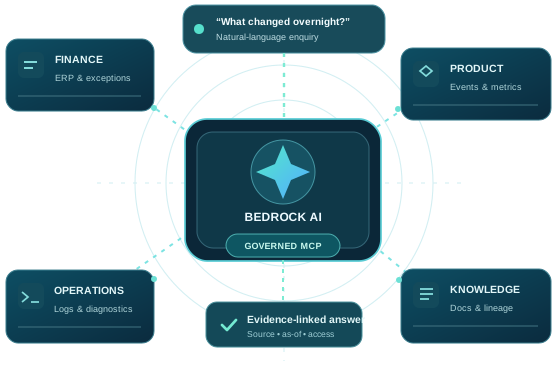
Enterprise AI architecture
An architectural approach to helping business users investigate issues across enterprise systems, with access controls and traceable evidence.
Read the study: Enterprise Quality AI AssistantDefine the decision or change, deliverables, dependencies, timing and fee.
Review existing tools and work through requirements and options with the people who will use the system.
Implement the agreed solution or support supplier delivery, testing normal work and exceptions.
Provide agreed documentation, confirm acceptance and review the result with your team.
Technical engagements are scoped and quoted separately. We agree acceptance criteria, handover and any subsequent support before work begins.
Where ongoing checks are useful, we can agree a review routine with you. QA systems and routine audits provide a separate service for operational controls, evidence and corrective-action follow-up.
If the problem needs investigation first, explore the JourneyRx Diagnostic.
No. If the brief is understood, we can scope technical advice, sourcing or implementation directly.
Yes, where it supports the requirements. We assess existing tools and integration options before recommending a change.
We agree objectives, deliverables, dependencies, timing and a separate proposal with you before starting.
The first 20-minute conversation is free.